





What Does Service 4WD Mean on a Chevy Silverado?
What Does Service 4WD Mean on a Chevy Silverado?
Nothing puts a damper on a drive through New Bethlehem quite like an unfamiliar warning lighting up the dash. If a Chevy Silverado suddenly flashes “Service 4WD,” it's natural to wonder whether something's seriously wrong or whether the truck's computer is just being dramatic. The honest answer sits somewhere in the middle: it's rarely an emergency, but it's not something to ignore either. Here's what that message actually means, what tends to cause it, and why Redbank Chevrolet is a solid place to get it looked at.
Key Takeaways
- The “Service 4WD” message means the truck's computer found a fault in the four-wheel-drive system it couldn't clear on its own.
- Common causes include shifting while moving, a misreading sensor, worn wiring, or an overheated transfer case.
- The Silverado will usually still drive fine short-term, but the 4WD system itself may not engage the way it should.
- Letting the warning sit unresolved raises the odds of pricier repairs to the transfer case or drivetrain later on.
- A quick diagnostic scan at Redbank Chevrolet's service center can usually pin down the cause fast.
What Does “Service 4WD” Mean on a Chevy Silverado?
The “Service 4-wheel drive” message means the onboard computer detected something in the four-wheel-drive system that it can't fix or clear by itself. It's less a diagnosis and more a flag — a signal that a part of the system needs a closer look.
That flag doesn't always point to a broken part. Sometimes it's triggered by something small, like a brief signal drop between the control module and a sensor, or a gear shift that didn't fully complete. Other times, it does mean a component needs repair or reset. Drivers tend to notice the message right after switching between 2WD and 4WD, after driving through mud or standing water, or when starting the truck on a cold morning. The truck typically keeps running fine in the short term, which is exactly why the warning gets brushed off more than it should.
Left alone, a minor glitch can add wear on the transfer case or drivetrain, so getting it checked sooner rather than later makes sense.
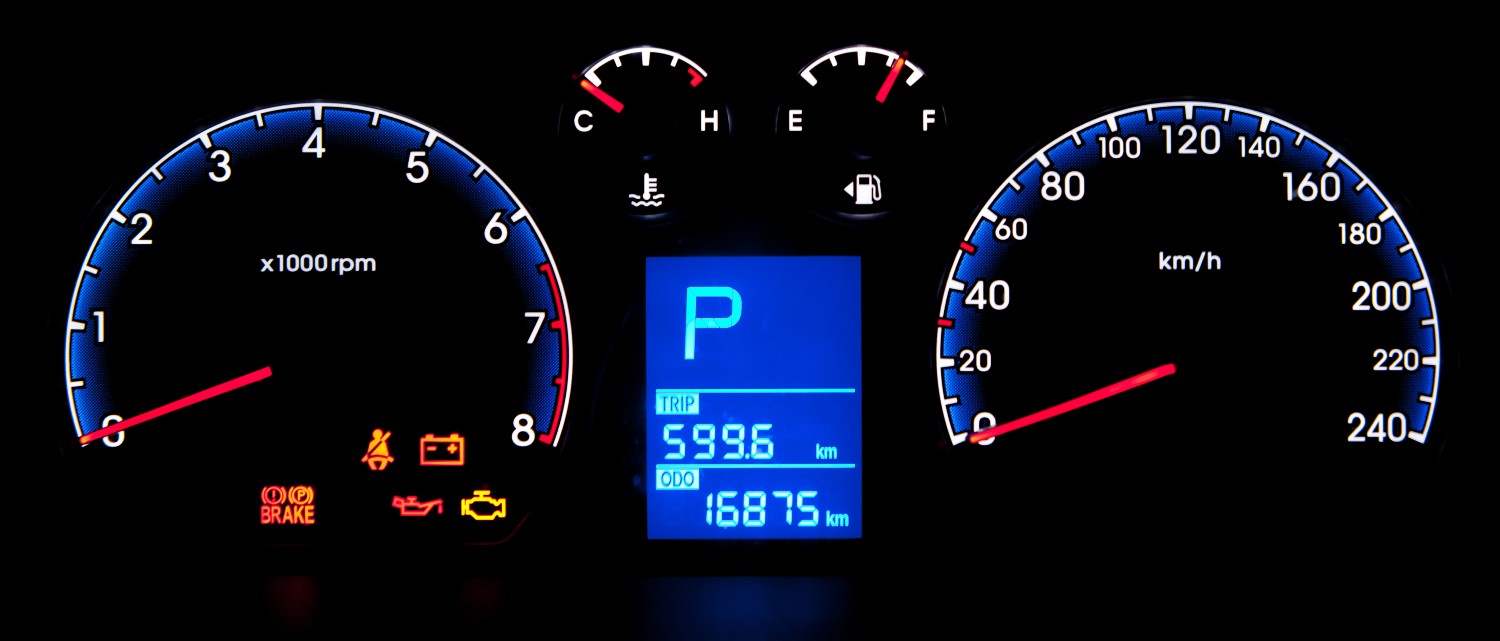
When Drivers Usually See This Message
- Right after switching between 2WD and 4WD
- Following off-road driving or a trip through deep water or mud
- On cold or wet mornings, especially during western Pennsylvania winters
What Causes the 4WD Warning to Come On?
Most triggers trace back to a fault in how the system reads sensors or moves power to the wheels. Some causes are minor and clear up with a simple reset; others point to a part that needs attention.
A 4-wheel drive service appointment usually starts with a full scan of the control system, since that's the fastest way to narrow down which culprit is behind the warning. Shifting into 4WD while the truck is already moving is one of the most common triggers, since it can interrupt the gear-shift sequence mid-cycle. Beyond that, a wheel-speed sensor sending a bad signal, wiring that's worn or corroded from road salt and moisture, or a transfer case running hotter than it should can all set off the same message. Mud, rust, and grime buildup on connectors add to the risk, which is part of why trucks that see a lot of rough terrain or winter driving tend to flag this warning more often than others.
| What's Happening | What It Means for Your Truck |
|---|---|
| Shifting into 4WD while moving | Can interrupt the gear-shift sequence and trigger a fault code. |
| A weak or misreading sensor | The system may shut the 4-wheel drive service down to protect the truck. |
| Worn or corroded wiring | This can break the signal between the control module and the transfer case. |
| An overheated transfer case | The truck may disable 4WD temporarily to prevent damage. |
| Mud, rust, or road salt buildup | Can block sensors or wear down connectors over time. |
Should You Keep Driving with the Warning On?
In most cases, yes — the truck will still get down the road just fine in the short term. That said, the 4WD system itself may not respond the way it's supposed to, which matters more than it might seem.
The real risk shows up when 4WD is actually needed. If the system won't engage on a snowy incline near New Bethlehem or during a tow, that's a problem worth avoiding altogether. Continuing to drive without addressing the warning can also let a small issue snowball, adding wear to gears or components that would have been a simple fix earlier on.
Anyone who tows regularly, drives off-road, or deals with snow and ice through the winter should treat this message with a bit more urgency than someone doing mostly flat, dry commuting. Getting the service 4-wheel drive light checked promptly is the difference between a quick diagnostic and a bigger repair bill down the line.

"A 'Service 4WD' message on a Chevy Silverado isn't usually cause for panic, but it's also not something worth putting off. Catching it early keeps a minor hiccup from turning into a bigger repair."
Wrapping Up: Don't Ignore the Warning
A “Service 4WD” message on a Chevy Silverado isn't usually cause for panic, but it's also not something worth putting off. Whatever's behind it — a loose connection, a tired sensor, or a transfer case that needs a look — catching it early keeps a minor hiccup from turning into a bigger repair. Redbank Chevrolet's service team in New Bethlehem knows the Silverado inside and out, and a proper diagnostic scan is the quickest way to get a straight answer and get back to driving with confidence.
Seeing that warning light more than once, or noticing the 4WD system acting up on the road? Scheduling a quick check at Redbank Chevrolet is an easy next step, and our service team can usually get a diagnostic scan done without much of a wait. It beats guessing, and it's a lot cheaper than waiting for a small issue to become a big one.
FAQ
What does “Service 4WD” mean on a Chevy Silverado?
It means the truck's computer found a fault in the four-wheel-drive system that it couldn't clear automatically, and the system likely needs to be inspected.
Can a Silverado still be driven with the Service 4WD light on?
Yes, in most cases the truck will drive normally, but the 4WD system may not engage properly, so a diagnostic check is still a good idea.
What usually causes the Service 4WD warning?
Common causes include shifting into 4WD while moving, a faulty sensor, worn wiring, or an overheated transfer case.
Will disconnecting the battery reset the Service 4WD message?
Sometimes. Disconnecting the battery for 15 to 30 minutes can clear minor faults, but if the message returns, the system likely needs a professional look.
How long does a 4WD diagnostic scan take at Redbank Chevrolet?
Most diagnostic scans can be completed in under an hour, though the exact time depends on what the scan uncovers.

May not represent actual vehicle. (Options, colors, trim and body style may vary)
The Manufacturer's Suggested Retail Price excludes tax, title, license, dealer fees and optional equipment. Dealer sets final price.
More Info
Contact Us
Fill out the form below and we'll contact you shortly.
*Required Fields